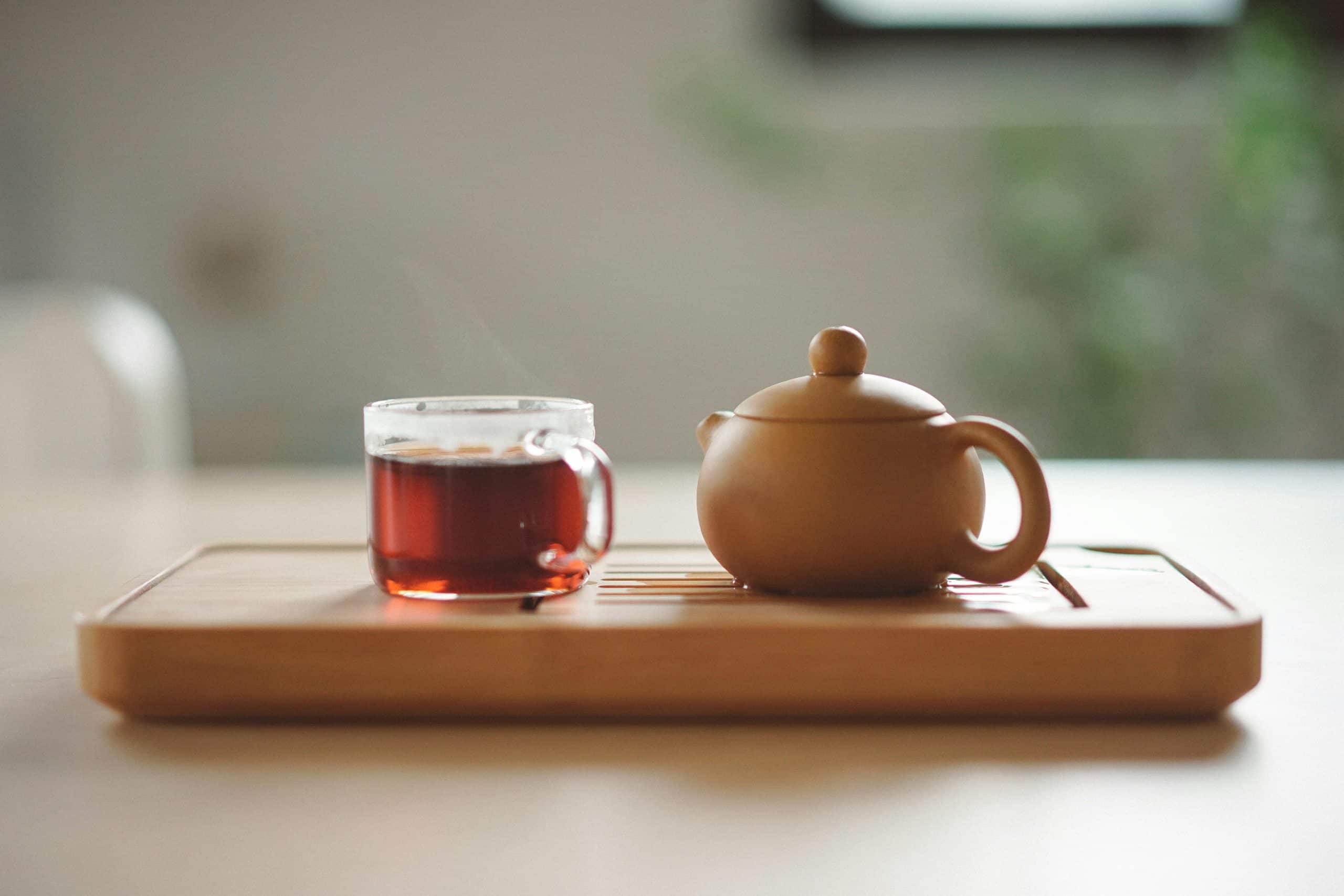
If you’ve ever stood in the tea aisle staring at 30 boxes promising calm, focus, or better digestion, you’re not alone. The best herbal teas for health are real, but not all of them have the research to match the packaging.
Here’s the short answer.
Randomized clinical trials (RCTs) are the gold-standard studies where participants are randomly assigned to either the treatment or a placebo. So whenever you see “RCT” in this guide, that’s the level of evidence behind a claim.
A handful of herbal teas have solid human RCTs behind them.
A bigger group has a strong mechanism plus some clinical data. And a third group is mostly traditional, with a marketing budget.
So this guide ranks 14 herbal teas by actual evidence, organized by what each one is best for. Plus brewing tips, daily limits, and the drug interactions worth knowing.
This article also fits inside our whole-food nutrition framework.
Key Takeaways
- The Tier 1 herbal teas with the strongest human trials are chamomile, valerian, peppermint, ginger, turmeric, and hibiscus.
- Match the tea to the goal: chamomile for sleep, peppermint for digestion, hibiscus for blood pressure.
- 1-3 cups daily is the safe target for most herbal teas, with named exceptions in the safety section.
- Skip the over-engineered “wellness blends” with 12 ingredients and unclear doses.
- Always check medication interactions, especially for hibiscus, sage, licorice, and valerian.
What Are the Best Herbal Teas for Health?
The best herbal teas are evidence-backed picks chosen to match a specific goal: sleep, digestion, inflammation, blood pressure, hormones, or immunity. So one tea per goal beats a bag of everything.
Each tea below uses one of three evidence tiers.
- Tier 1 (T1). Multiple human RCTs. Reliable, repeatable benefit.
- Tier 2 (T2). Strong mechanism plus some clinical data. Reasonable confidence.
- Tier 3 (T3). Traditional use only. Weak or no direct human evidence.
The 14 picks below run #1 through #14 across 7 use cases. So you can scan, save, and shop straight from the list.
Best Herbal Teas for Sleep
The best herbal teas for sleep are chamomile and valerian root. Both calm the nervous system and have the strongest clinical evidence among nighttime teas.
1. Chamomile (T1)
Chamomile is a traditional sleep tea with measurable effects in clinical trials. A chamomile systematic review of 12 RCTs found small but consistent improvements in sleep quality and anxiety.
So sip 1 cup 30-60 minutes before bed for the best effect.
2. Valerian Root (T1)
Valerian is the second-strongest sleep tea, often used for shorter sleep latency. A 2024 valerian and lemon balm sleep RCT found small benefits on sleep efficiency in adults with impaired sleep.
Plus, the strong, earthy smell takes some getting used to.
For the full sleep playbook these teas fit into, see the sleep hygiene playbook.
Best Herbal Teas for Anxiety and Stress
Lemon balm is the top dedicated anxiety tea, with chamomile a close second. So when the goal is daytime calm without sedation, lemon balm wins.
3. Lemon Balm (T2)
Lemon balm is a mint-family herb with mild anti-anxiety effects. Small RCTs and a recent combined trial with valerian show modest improvements in stress and sleep markers.
Just steep 1 teaspoon dried leaf for 5 minutes. The flavor is lemony and pleasant.
Also, chamomile from the sleep section works as a daytime anxiety tea at half-strength. Plus, it pairs well with lemon balm.
Best Herbal Teas for Digestion and Bloating
Peppermint, fennel, and lemongrass are the top digestive teas. Each calms the gut in a slightly different way.
4. Peppermint (T1)
Peppermint relaxes the smooth muscle of the gut. A peppermint oil IBS meta-analysis found 12 RCTs supporting symptom relief in adults with IBS.
So sip a cup after meals for bloating and gas.
5. Fennel (T2)
Fennel seed tea has traditional and small-trial backing for gas, bloating, and infant colic. The flavor is mildly sweet and licorice-like.
For the full breakdown, see our complete fennel tea guide.
6. Lemongrass (T2)
Lemongrass tea is gentle, citrusy, and traditionally used for digestion and mild stress relief.
Plus, it pairs well with ginger for a 1-2 anti-bloat combo.
For overlapping gut symptoms, also see our IBS food and trigger guide.
Best Anti-Inflammatory Herbal Teas
Ginger and turmeric are the two anti-inflammatory tea heavyweights. So both have strong human trials behind them.
7. Ginger (T1)
Ginger tea reduces nausea and supports anti-inflammatory pathways. A ginger systematic review on nausea found consistent benefit across motion sickness, chemotherapy, and pregnancy.
Just steep fresh slices for 10 minutes for the strongest effect.
For the full breakdown, see our deep dive on ginger tea.
8. Turmeric (T1)
Turmeric tea (often called golden milk) carries curcumin, the active anti-inflammatory compound. A 2023 curcumin systematic review linked daily turmeric intake to lower CRP and IL-6 inflammation markers.
Plus, a pinch of black pepper boosts curcumin absorption.
Best Herbal Teas for Heart Health and Blood Pressure
Hibiscus and rooibos are the two most studied teas for cardiovascular markers. So they’re useful daily additions for blood pressure and antioxidant support.
9. Hibiscus (T1)
Hibiscus tea modestly lowers blood pressure in adults. A hibiscus meta-analysis of cardiovascular outcomes found a systolic drop of around 5 mmHg across 7 trials.
So drink 2 cups daily for 4-6 weeks for a measurable effect.
10. Rooibos (T2)
Rooibos is naturally caffeine-free and rich in aspalathin, a unique antioxidant linked to cardiovascular and metabolic benefits.
Just one bag daily is plenty. The flavor is naturally sweet, with no need for sugar.
Best Herbal Teas for Hormones and Women’s Health
Spearmint and red raspberry leaf are the two most-searched teas for cycle and hormone support. So both have specific use cases worth knowing.
11. Spearmint (T2)
Spearmint tea has small RCTs in women with PCOS showing reduced androgen levels and modest improvements in hirsutism scores.
Plus, 2 cups daily for 4-12 weeks is the typical protocol.
12. Red Raspberry Leaf (T3)
Red raspberry leaf has long traditional use in women’s health, especially around menstruation and labor preparation.
Still, the human evidence is mostly observational. So talk to your OB before regular use during pregnancy.
Best Herbal Teas for Memory and Cognition
Sage tea has growing evidence for short-term cognitive support. So it’s the one cognition-focused tea worth knowing.
13. Sage (T2)
Sage is an aromatic herb in the mint family with measurable cognitive effects in small trials. A sage and cognition trial reported improved memory and word recall in healthy adults.
The taste is earthy. So a touch of honey and lemon makes it more drinkable in the morning.
Best Herbal Teas for Immunity and Joints
Rosehip tea is rich in vitamin C and carries unique anti-inflammatory compounds called galactolipids. So it’s a strong double-duty pick for immunity and joint comfort.
14. Rosehip (T2)
Rosehip has small RCTs supporting osteoarthritis symptom relief. A rosehip evidence-based herbal review linked standardized rosehip preparations to lower pain scores in joint conditions.
Plus, the tea is tart and fruity, often blended with hibiscus or elderberry.
Herbal Tea Comparison Table
Here’s the full 14-tea cheat sheet. So you can match the tea to the goal at a glance.
| # | Tea | Best for | Tier | Daily limit |
|---|---|---|---|---|
| 1 | Chamomile | Sleep, anxiety | T1 | 2-3 cups |
| 2 | Valerian Root | Sleep latency | T1 | 1 cup (PM) |
| 3 | Lemon Balm | Stress, anxiety | T2 | 2-3 cups |
| 4 | Peppermint | IBS, bloating, gas | T1 | 2-3 cups |
| 5 | Fennel | Gas, bloating | T2 | 2 cups |
| 6 | Lemongrass | Digestion, calm | T2 | 2 cups |
| 7 | Ginger | Nausea, inflammation | T1 | 2-4 cups |
| 8 | Turmeric | Inflammation | T1 | 1-2 cups |
| 9 | Hibiscus | Blood pressure | T1 | 2 cups |
| 10 | Rooibos | Antioxidants, heart | T2 | 2-3 cups |
| 11 | Spearmint | Hormones, PCOS | T2 | 2 cups |
| 12 | Red Raspberry Leaf | Cycle, labor prep | T3 | 1-2 cups |
| 13 | Sage | Memory, focus | T2 | 1-2 cups |
| 14 | Rosehip | Immunity, joints | T2 | 2 cups |
How to Brew Each Tea Properly
Brewing matters more than most people realize. Water temperature and steep time both affect how much of the active compound you actually extract.
- Chamomile, valerian, lemon balm. Just-below-boiling (200°F), steep 5-7 minutes covered.
- Peppermint, fennel, lemongrass. Just-below-boiling, steep 5 minutes.
- Ginger. Boiling, steep 10 minutes with fresh slices for best extraction.
- Turmeric. Boiling, steep 10 minutes with a pinch of black pepper.
- Hibiscus, rosehip. Boiling, steep 5-10 minutes.
- Rooibos, sage, spearmint, red raspberry leaf. Hot but not boiling, steep 4-7 minutes.
Plus, cover your cup while steeping. The volatile oils stay in the water instead of escaping with steam.
Drug Interactions and Safety Cautions
Several herbal teas interact meaningfully with common medications. So check this list before stacking daily cups.
Check with a clinician if any apply
- Hibiscus + BP medications. May lower blood pressure too much together.
- Valerian + sedatives or alcohol. Additive sedation risk.
- Ginger + anticoagulants. Large amounts plus warfarin or aspirin raise bleeding risk.
- Sage + diabetes medication. Sage may lower blood sugar additively.
- Turmeric + anticoagulants or chemo. Talk to your prescriber before daily use.
- Peppermint + GERD. Relaxes the lower esophageal sphincter and can worsen reflux.
- Red raspberry leaf + pregnancy. Affects uterine tone. Talk to OB first.
For more on safe herbal use, see our evidence-graded herbal remedies guide.
Best Herbal Teas FAQ
What is the healthiest herbal tea?
Chamomile, peppermint, ginger, turmeric, and hibiscus have the strongest human-trial evidence. So pick by goal: sleep (chamomile), digestion (peppermint), inflammation (ginger/turmeric), and blood pressure (hibiscus).
What tea is best for sleep?
Chamomile and valerian root have the best clinical evidence for sleep. So sip 1 cup 30-60 minutes before bed. Plus, lemon balm works well as a milder alternative.
What tea calms anxiety fastest?
Lemon balm and chamomile work within 30-60 minutes for most people. Still, daily consistency matters more than any single cup for chronic anxiety relief.
What tea is good for bloating?
Peppermint, fennel, and ginger all relax the gut and reduce gas. So pick one after meals or whenever bloating hits. Plus, a peppermint-ginger combo doubles up the effect.
Are herbal teas caffeine-free?
Most are. All 14 teas in this guide are caffeine-free, including rooibos, chamomile, peppermint, ginger, hibiscus, and turmeric. Just check the label if a blend includes black, green, or yerba mate.
Can I drink herbal tea every day?
Yes, in moderate amounts. Most herbal teas are safe at 1-3 cups daily for healthy adults. Still, check medication interactions for hibiscus, valerian, sage, and licorice-containing blends.
The Bottom Line
The best herbal teas for health are evidence-ranked, not all created equal. So start with chamomile for sleep, peppermint for digestion, ginger or turmeric for inflammation, and hibiscus for blood pressure.
Layer in lemon balm, fennel, spearmint, or rosehip based on your specific goals. Plus, check the safety section if you’re on medications.
One cup, daily, matched to your target. So in 2-4 weeks, you’ll feel the difference.
Sources & References
- Hieu, T.H. et al. “Therapeutic efficacy and safety of chamomile for state anxiety, generalized anxiety disorder, insomnia, and sleep quality: A systematic review and meta-analysis.” Phytotherapy Research / PubMed, 2019. https://pubmed.ncbi.nlm.nih.gov/31050935/
- Scholey, A. et al. “Effect of a nutraceutical combination on sleep quality among people with impaired sleep: a randomised, placebo-controlled trial.” Scientific Reports / PMC, 2024. https://pmc.ncbi.nlm.nih.gov/articles/PMC10997602/
- Alammar, N. et al. “Systematic review and meta-analysis: efficacy of peppermint oil in irritable bowel syndrome.” BMC Complementary Medicine and Therapies / PubMed, 2022. https://pubmed.ncbi.nlm.nih.gov/35942669/
- Marx, W. et al. “Ginger – mechanism of action in chemotherapy-induced nausea and vomiting: a review.” PubMed, 2017. https://pubmed.ncbi.nlm.nih.gov/25411153/
- Hewlings, S.J. et al. “Antioxidant and anti-inflammatory effects of curcumin/turmeric supplementation: A GRADE-assessed systematic review.” PubMed, 2023. https://pubmed.ncbi.nlm.nih.gov/36804260/
- Najafpour Boushehri, S. et al. “The efficacy of sour tea (Hibiscus sabdariffa L.) on selected cardiovascular disease risk factors: A systematic review and meta-analysis.” Phytotherapy Research / PubMed, 2020. https://pubmed.ncbi.nlm.nih.gov/31943427/
- Christen-Clottu, O. et al. “Salvia (sage): an example of botanical effects on cognitive function.” Pharmacology Biochemistry and Behavior / PubMed, 2003. https://pubmed.ncbi.nlm.nih.gov/12895685/
- Christensen, R. et al. “Rosehip – an evidence based herbal medicine for inflammation and arthritis.” PubMed, 2012. https://pubmed.ncbi.nlm.nih.gov/22762068/
How We Reviewed This Article
All health claims in this article are supported by peer-reviewed research published in indexed medical journals. Sources are linked to PubMed or official institutional pages so you can verify them yourself. Our editorial team cross-references claims against systematic reviews and meta-analyses where available.


